Magnetic Brain Stimulation in Zurich
& Partners of the Neuro-Spa Group
rTMS therapy, TPS treatment and supervised home stimulation
Welcome to our private practices for neurostimulation in Zurich & Partners. For more than 22 years, we have supported people with psychological or neurological concerns – trustfully, individually and with modern approaches in transcranial magnetic stimulation. Whether rTMS, TPS or mobile home therapy: you stay at the center of the plan.
Medically reviewed by Prof. h. c.* Dr. med.** Oliver Seemann · Last updated: April 2026
What is magnetic brain stimulation?
Magnetic brain stimulation is a non-invasive treatment approach that uses targeted magnetic pulses to stimulate specific areas of the brain. In clinical practice, this usually refers to transcranial magnetic stimulation, or TMS. When magnetic pulses are delivered repeatedly in structured sequences, the method is known as rTMS, or repetitive transcranial magnetic stimulation.
For many patients, magnetic brain stimulation becomes relevant when standard treatment options have not provided sufficient improvement, when medication is difficult to tolerate, or when a more personalized, non-surgical treatment option is being considered. The procedure is performed on an outpatient basis and does not require anesthesia, implants, or an incision.
Whether magnetic brain stimulation is appropriate depends on the individual diagnosis, medical history, symptoms, and treatment goals. A physician-led evaluation is therefore an essential first step.
Why magnetic brain stimulation?
Our methods aim to promote neuroplasticity – the brain’s ability to regenerate and build new networks. Studies indicate that rTMS and TPS can measurably improve brain function. At the core is our own Brain Longevity Concept, bringing together treatment, prevention and quality of life.
Neuromodulation, neurostimulation, TMS, rTMS, TPS and neo TMS — explained simply
Neuromodulation
Neuromodulation is a broad medical term for methods that aim to influence nerve activity and communication within neural networks. In the context of brain-based treatment, neuromodulation is used to help regulate specific brain circuits that may be underactive, overactive, or functionally imbalanced.
Rather than acting like a medication throughout the whole body, neuromodulation focuses on targeted stimulation of the nervous system.
Neurostimulation
Neurostimulation is a form of neuromodulation that uses physical impulses to stimulate nerves or specific brain regions. Depending on the method, these impulses may be magnetic, electrical, ultrasound-based, or pulse-based.
Magnetic brain stimulation is one form of neurostimulation. Other forms of neurostimulation may be used for different medical indications, including certain pain conditions. Patients searching for neurostimulation therapy for chronic pain should begin with a medical consultation to determine which treatment options are appropriate for their diagnosis and risk profile.
Responsive neurostimulation is a term often used in the United States for implanted medical systems that monitor brain activity and deliver stimulation in response to detected patterns. This is conceptually different from non-invasive approaches such as rTMS or TPS, which are performed in a clinical setting and do not involve implanted devices.
Because these terms are sometimes used interchangeably online, it is important to distinguish between implant-based responsive neurostimulation and non-invasive magnetic brain stimulation.
TMS
TMS stands for transcranial magnetic stimulation. It uses brief magnetic pulses to stimulate targeted areas of the cerebral cortex. TMS is the general term for magnetic stimulation of the brain and is one of the best-known non-invasive neurostimulation methods.
rTMS
rTMS stands for repetitive transcranial magnetic stimulation. During rTMS treatment, magnetic pulses are delivered in repeated sequences according to a defined protocol.
This is one of the most established clinical applications of TMS and a key focus of our treatment approach. Depending on the patient’s condition and treatment goals, rTMS may be considered as part of a personalized care plan.
TPS
TPS stands for transcranial pulse stimulation. Unlike magnetic brain stimulation, TPS does not use magnetic fields. Instead, it works with focused pulses and is considered a separate form of modern neurostimulation.
TPS may be evaluated depending on the patient’s condition, symptoms, and overall treatment strategy. The decision to use TPS, rTMS, or another form of neuromodulation is always made on an individual medical basis.
neo TMS
neo TMS is the individualized rTMS method developed by Dr. Seemann for the Neuro-Spa Group. It is based on a proprietary analysis algorithm that supports structured treatment planning and allows therapy to be adapted to the individual situation of each patient.
neo TMS combines medical experience, standardized planning, and personalized adjustment. The goal is not simply to apply stimulation, but to make magnetic brain stimulation more precise, more structured, and more closely aligned with the patient’s needs.
About Prof. h. c.* Dr. med.** Oliver Seemann
Prof. h. c.* Dr. med.** Oliver Seemann is the founder and head of the Neuro-Spa Group. As a pioneer in rTMS, he has developed treatment protocols over the past two decades and supported more than 4,000 people. With international recognition, two honorary doctorates and extensive clinical experience, he stands for modern, responsible neuropsychiatry.
Prof. h. c.* Dr. med.** Oliver Seemann – Founder & Medical Director, Neuro-Spa Group 22+ years in transcranial magnetic stimulation · 4,000+ patients treated · Developer of neo TMS
We have the distinguished Swiss Diploma of
"Interventional Psychiatry" by:
We have a research collaboration with Psychiatric University Clinic Zurich (PUK), Switzerland:
Science and long-term experience
Since 2008, rTMS has been FDA-cleared for treatment-resistant depression. TPS is CE-certified in Europe for Alzheimer’s dementia. Other applications are considered off-label. International studies support effectiveness, complemented by many years of clinical experience.
Off-label in this context: a procedure is used outside its officially approved indication—based on medical judgement, available evidence and informed patient consent.
Our Treatment Options at a Glance
rTMS — a core form of magnetic brain stimulation
rTMS, or repetitive transcranial magnetic stimulation, is one of the most established forms of modern magnetic brain stimulation. It uses repeated magnetic pulses to target specific areas of the brain that may be involved in mood, motivation, attention, sensory processing, and pain regulation.
As part of a personalized treatment plan, rTMS may be considered for patients with depressive symptoms, stress-related exhaustion, concentration difficulties, or certain neurological and psychiatric concerns. It may also be evaluated in selected cases where altered pain processing plays a role, including situations in which patients are exploring neurostimulation therapy for chronic pain.
The appropriate target areas, frequencies, and treatment protocols depend on each patient’s medical history, symptoms, and goals. This is why every rTMS treatment begins with an individual medical assessment.
TPS — a complementary form of neurostimulation
TPS, or transcranial pulse stimulation, expands the Neuro-Spa Group’s treatment portfolio as a separate form of modern neurostimulation.
While rTMS uses magnetic pulses, TPS works with focused pulses and follows a different technological principle. For patients, the most important distinction is this: TPS is not another name for magnetic brain stimulation. It is an independent treatment approach within the broader field of neuromodulation and neurostimulation.
Whether rTMS, TPS, or another treatment option is the right fit depends on the individual diagnosis, symptoms, treatment goals, and medical evaluation.
neo TMS — personalized magnetic brain stimulation
With neo TMS, the Neuro-Spa Group offers a structured and individualized approach to rTMS treatment. The method is designed to combine standardized treatment planning with personalized adjustment based on each patient’s symptoms, medical history, goals, and response over time.
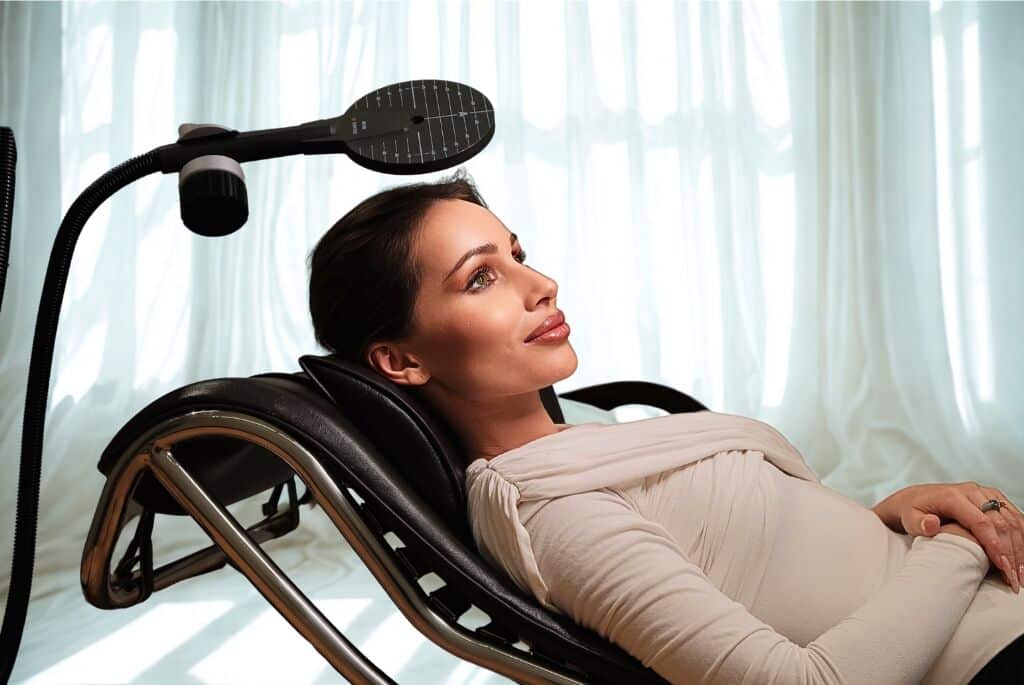
During treatment, the patient sits comfortably while the stimulation coil is positioned over the targeted area of the brain. Depending on the protocol, a session typically lasts between 3 and 30 minutes. In most cases, treatment involves multiple sessions over a defined period of time. In selected situations, more intensive treatment formats may also be considered.
All rTMS treatments at the Neuro-Spa Group are performed as neo TMS®. This is our standard approach for individualized magnetic brain stimulation.
Supportive treatment and maintenance concepts
Depending on the patient’s progress, additional measures may be useful to support stabilization, everyday functioning, or long-term treatment goals.
These options are discussed individually and integrated into a broader treatment concept when appropriate. The goal is to create a treatment plan that is medically sound, realistic, and aligned with the patient’s needs.
Home therapy with mobile stimulation devices
For some patients, home therapy with mobile stimulation devices may be a useful supportive option. It may be considered for maintenance, for support between in-office treatment phases, or as part of a personalized long-term treatment concept.
Home-based use is designed to be practical and convenient, but it should always be medically evaluated and supervised. We provide individual guidance on selected mobile solutions for home use, including systems such as Glad-X, when they are appropriate for the patient’s situation.
It is important to set realistic expectations: mobile stimulation devices do not replace medical diagnosis, individualized treatment planning, or physician-led therapy. In selected cases, however, they may provide a practical complement to an existing treatment plan.
rTMS vs. TPS: key differences and use cases
Both rTMS and TPS belong to the broader field of modern neuromodulation and neurostimulation, but they differ in technology, target areas, and clinical use.
rTMS is a form of magnetic brain stimulation. It uses magnetic pulses to stimulate targeted cortical brain regions and may be considered in treatment plans for conditions involving mood, attention, stress-related exhaustion, sensory processing, or pain regulation.
TPS uses focused pulses rather than magnetic fields. It follows a different technical principle and may be evaluated depending on the patient’s diagnosis, symptoms, and treatment goals.
Both approaches are non-surgical and outpatient-based. The choice between rTMS, TPS, or a combined approach is always made after medical assessment and depends on the individual case.
Who may benefit from magnetic brain stimulation and neurostimulation?
Magnetic brain stimulation and other forms of neurostimulation may be considered for a range of neurological, psychiatric, and stress-related concerns — including depression, anxiety, OCD, ADHD-related symptoms, chronic stress, sleep problems, migraine, tinnitus, cognitive decline, and selected pain-related conditions.
For patients exploring neurostimulation therapy for chronic pain, a medical consultation is the first step to determine whether this type of treatment is appropriate.
Because each condition, medical history, and treatment goal is different, every therapy begins with a physician-led assessment. Some applications are well established, while others may be considered off-label and require careful individual evaluation.
What to expect during a magnetic brain stimulation consultation
1. Initial contact and orientation
The first step is to understand your concerns. You can share your symptoms, medical history, previous treatments, and what you hope to achieve.
Based on this information, we assess whether a consultation for magnetic brain stimulation, rTMS, TPS, or another form of neuromodulation may be appropriate.
2. Medical assessment and treatment goals
Next, we take a closer look at your medical background, previous treatment attempts, possible contraindications, and personal goals.
This helps create a realistic picture of whether neurostimulation may be suitable for your situation — and which approach may offer the most appropriate risk–benefit profile.
3. Personalized treatment planning
If magnetic brain stimulation is a suitable option, the next steps are planned individually.
This includes selecting the appropriate treatment method, defining the number and frequency of sessions, and evaluating whether supportive measures — such as maintenance concepts or home-based options — may be useful.
4. Treatment and progress monitoring
Treatment is performed on an outpatient basis and monitored regularly.
This allows us to track your progress, evaluate your response, and adjust the treatment plan when needed.
Magnetic brain stimulation in Zurich, Munich and partner practices
The Neuro-Spa Group offers modern magnetic brain stimulation and other forms of neurostimulation for patients from Switzerland, Germany, and abroad.
Our main location is in Zurich, with an additional practice location in Munich and access through selected partner practices. This allows patients to receive personal consultation and treatment with rTMS, TPS, and other neuromodulation-based approaches at multiple locations.
Whether you are seeking a second opinion, exploring a non-invasive treatment option, or looking for a structured care concept, our team will help you understand which approach may be appropriate for your individual situation.
Why choose the Neuro-Spa Group?
- Experience from more than 40,000 treatments
- Personalized protocols instead of one-size-fits-all treatment
- Technical precision in rTMS and TPS-based neurostimulation
- Option to combine in-office treatment with home-based support
- Brain Longevity philosophy focused on long-term brain health
- Practice locations in Zurich, Munich and selected partner practices
- Professional exchange with academic partners such as the University of Zurich
Frequently Asked Questions About Magnetic Brain Stimulation
What should I know about TMS?
TMS, short for transcranial magnetic stimulation, is a non-invasive form of magnetic brain stimulation. It uses magnetic pulses to stimulate targeted areas of the brain and does not require surgery, anesthesia, or implanted devices. TMS is most commonly used when standard treatment options, such as medication or psychotherapy, have not provided sufficient improvement.
Before treatment begins, a physician evaluates your symptoms, medical history, previous treatments, and possible contraindications. Based on this assessment, a structured protocol is defined, including the target area, stimulation settings, number of sessions, and progress monitoring.
What type of doctor provides TMS therapy
TMS and rTMS are typically provided under medical responsibility. A physician assesses whether the treatment is appropriate, defines the treatment protocol, and supervises the course of therapy.
Depending on the clinic and indication, treatment may involve physicians with experience in psychiatry, neurology, brain stimulation therapies, or related medical fields.
Who decides whether TMS is appropriate?
A physician determines whether TMS is medically appropriate after a consultation and diagnostic assessment. This includes reviewing your diagnosis, previous treatments, current symptoms, treatment goals, and any safety considerations.
If TMS is considered suitable, it becomes part of a documented, individualized treatment plan.
Is magnetic brain stimulation painful?
TMS and rTMS are generally well tolerated. During treatment, patients may feel tapping, pulsing, or mild discomfort on the scalp near the stimulation site. Some people experience temporary headache or scalp sensitivity after a session, but these effects are usually mild and short-lived.
TPS and other forms of neurostimulation are also evaluated individually to ensure that the selected treatment approach is appropriate and tolerable.
How many sessions will I need?
The number of sessions depends on the diagnosis, treatment goals, protocol, and individual response. Many treatment plans involve a series of sessions over several weeks. In clinical practice, this may range from approximately 10 to 30 sessions, although some protocols may differ.
Your physician will discuss the recommended treatment schedule with you before therapy begins
How quickly can I notice an effect?
Some patients notice changes within days or weeks, while others need more time or may not experience the desired response. The timeline depends on the condition being treated, the selected protocol, and individual factors such as symptom duration, previous treatments, and overall health.
Progress is monitored throughout the treatment series so the plan can be adjusted when needed.
Is TMS the same as responsive neurostimulation?
No. Responsive neurostimulation usually refers to implanted systems that monitor brain activity and deliver stimulation in response to detected patterns. TMS and rTMS are non-invasive treatments performed in a clinical setting and do not require an implanted device.
Both belong to the broader field of neuromodulation, but they are different technologies with different medical uses.
Is neurostimulation therapy for chronic pain an option?
In selected cases, neurostimulation therapy for chronic pain may be discussed as part of a broader medical evaluation, especially when altered pain processing or neurological factors may play a role.
However, chronic pain can have many causes. A physician must first clarify your diagnosis, previous treatments, and risk–benefit profile before recommending TMS, rTMS, TPS, or another treatment approach.
Is treatment covered by insurance?
Insurance coverage depends on the country, diagnosis, insurance provider, and individual plan. In the United States, coverage for TMS is often linked to specific criteria, especially treatment-resistant major depressive disorder. Medicare coverage policies, for example, define medical necessity criteria for adults with major depressive disorder.
For other indications or off-label applications, treatment may be self-pay. We recommend checking coverage in advance and discussing costs during your consultation.
Find Out Whether Magnetic Brain Stimulation Is Right for You
If you would like to learn whether magnetic brain stimulation, rTMS, TPS, or neo TMS may be a suitable treatment option for your situation, contact us today. Our team offers personal, confidential guidance tailored to your medical history, symptoms, and treatment goals.
The Neuro-Spa Group works with patients from Switzerland, Germany, and international locations. Our main practice is in Zurich, with additional consultation options in Munich and through selected partner practices.