
Neurostimulation in München & Zürich – rTMS Therapie & TPS Behandlung

rTMS Fields of Application
– Overview of Therapeutic Areas

Repetitive transcranial magnetic stimulation (rTMS) offers many patients a safe, non-invasive, and well-tolerated alternative to medication. In the United States, rTMS therapy is FDA-cleared for several conditions, including treatment-resistant depression, anxious depression, OCD, and smoking cessation,  while many additional rTMS fields of application are considered off-label use and are actively being studied in international research and clinical settings.

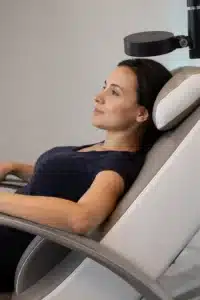
Frau entspannt während einer rTMS-Brain-Wellness-Behandlung in der Neuro-Spa Group, moderne Neurostimulation für mentales Wohlbefinden.
Illustration zur neo TMS-Therapie von Dr. Seemann – innovative Form der transkraniellen Magnetstimulation zur Behandlung neurologischer und psychischer Erkrankungen.

At our clinic, we work with the neo TMS method developed by Neuro-Spa Group chief physician Prof. h. c.* Dr. med.** Oliver Seemann. It is an innovative evolution of rTMS. Using state-of-the-art analysis protocols, the treatment process is standardized and, at the same time, individually tailored to each patient. The result is a precise, plannable, and highly effective therapy, available exclusively at the Neuro-Spa Group.

This page provides an overview of the most important rTMS therapeutic areas. Each condition links to its own detail page with in-depth information: studies, patient experiences, and individualized treatment approaches.

Psychiatric rTMS Fields of Application

neo TMS/ rTMS bei Depression – Neuro-Spa Group München & Zürich

rTMS for Depression

The best-researched application: rTMS is FDA-cleared for treatment-resistant depression and shows strong effectiveness across numerous clinical studies.

neo TMS/ rTMS bei Angststörungen – Neuro-Spa Group München & Zürich

rTMS for Anxiety Disorders & Panic

rTMS can calm overactive brain regions and, in doing so, help ease anxiety symptoms and panic attacks.
neo TMS/ rTMS bei Zwangsstörung – Neuro-Spa Group München & Zürich

rTMS for OCD (Obsessive-Compulsive Disorder)

For obsessive thoughts and compulsive behaviors, studies show that rTMS can help regulate disrupted neural networks. rTMS is FDA-cleared for OCD in the U.S.
neo TMS/ rTMS bei PTBS – Neuro-Spa Group München & Zürich

rTMS for PTSD (Post-Traumatic Stress Disorder)

Patients dealing with traumatic stress often experience a noticeable reduction in symptoms through rTMS therapy.

neo TMS/ rTMS bei Burnout – Neuro-Spa Group München & Zürich

rTMS for Burnout

Chronic exhaustion and low motivation can be improved sustainably with targeted stimulation protocols.
neo TMS/ rTMS bei Psychosen – Neuro-Spa Group München & Zürich

rTMS for Psychosis & Schizophrenia

Targeted magnetic stimulation can help reduce symptoms such as auditory hallucinations.

neo TMS/ rTMS bei ADHS – Neuro-Spa Group München & Zürich

rTMS for ADHD

rTMS supports attention and impulse control and is being researched as a complementary therapy for ADHD.

neo TMS/ rTMS bei Autismus – Neuro-Spa Group München & Zürich

rTMS for Autism

Studies suggest that rTMS may positively influence social skills and communication patterns.

Neurological rTMS Therapeutic Areas

neo tms rtms migraene behandlung neuro spa group muenchen zuerich e1779131016992 rTMS therapeutic areas

rTMS for Migraine & Headache

Many patients report fewer attacks and a clear reduction in pain intensity. Certain rTMS devices are FDA-cleared for migraine.
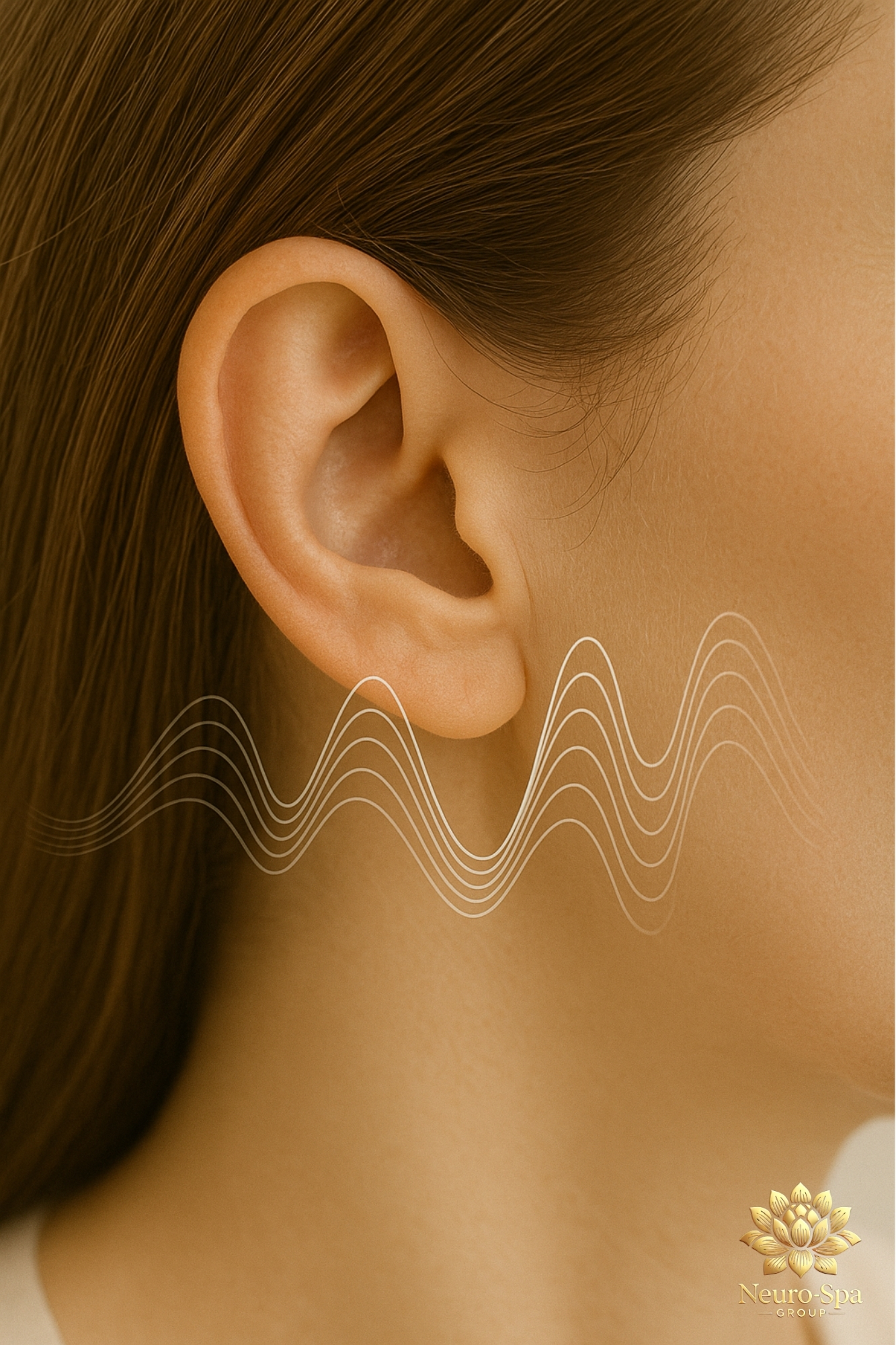
neo TMS/ rTMS bei Tinnitus – Neuro-Spa Group München & Zürich

rTMS for Tinnitus

Targeted stimulation can help dampen the perception of disruptive ringing in the ears.

neo TMS/ rTMS bei Demenz – Neuro-Spa Group München & Zürich

rTMS for Dementia & Alzheimer's

Cognitive functions such as memory and attention can be supported through rTMS.
neo TMS/ rTMS bei Parkinson – Neuro-Spa Group München & Zürich

rTMS for Parkinson's

rTMS can help ease movement disorders and tremor and improve quality of life.

neo TMS/ rTMS bei Multiple Sklerose – Neuro-Spa Group München & Zürich

rTMS for Multiple Sclerosis

rTMS can reduce muscle stiffness and support mobility in people living with MS.

neo TMS/ rTMS bei Essentieller Tremor – Neuro-Spa Group München & Zürich

rTMS for Essential Tremor

The characteristic trembling can, in some cases, be noticeably reduced through rTMS.

neo TMS/ rTMS bei Schlafstörungen – Neuro-Spa Group München & Zürich

rTMS for Sleep Disorders

By helping normalize brain activity, rTMS can support more restful sleep.
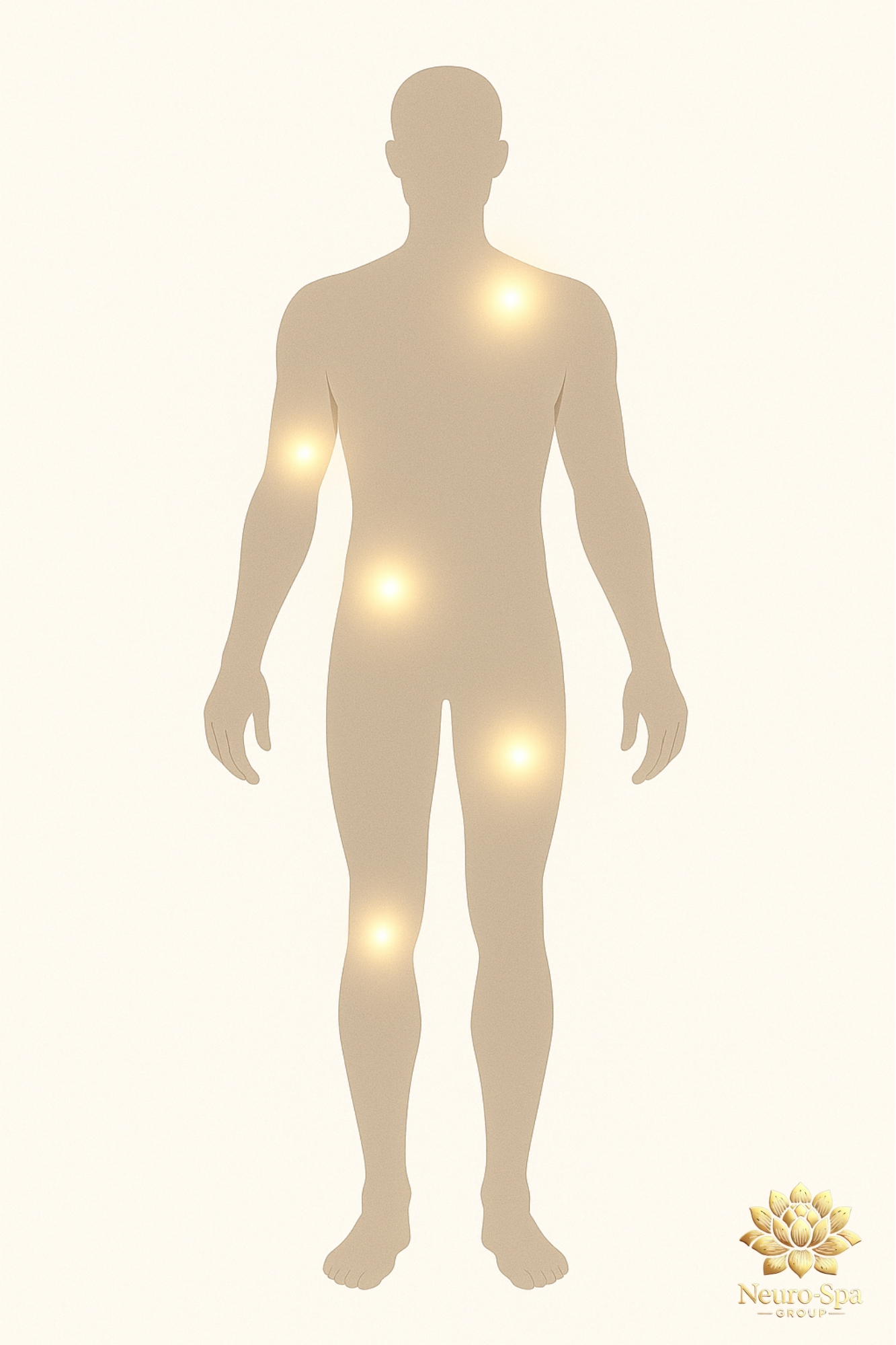
neo TMS/ rTMS bei Schmerzen – Neuro-Spa Group München & Zürich

rTMS for Chronic Pain

Pain signals are modulated within the brain, which can reduce overall pain intensity.

neo TMS/ rTMS bei Post-COVID – Neuro-Spa Group München & Zürich

rTMS for Post-COVID-19 (Long COVID)

Early studies indicate that rTMS may help with fatigue, brain fog, and cognitive impairment following COVID-19.

Additional Possible rTMS Fields of Application

Beyond the indications listed above, there are individual case reports of success with:

  • Emotional shock
  • Psychogenic movement and gait disorders
  • Functional sensory disturbances
  • Paralysis


⚠️ These applications should be reviewed and supervised exclusively by experienced specialist physicians.

Frequently Asked Questions About rTMS Fields of Application

Which conditions is rTMS FDA-cleared for?

In the United States, rTMS is FDA-cleared for treatment-resistant depression, anxious depression, OCD (obsessive-compulsive disorder), smoking cessation, and, for certain devices, migraine. All other indications are considered off-label use and are supported by ongoing research.

Yes. rTMS is considered low-risk with minimal side effects. The most common are mild headache or temporary fatigue.

A single session lasts between 4 and 30 minutes, depending on the individual protocol. Treatment is typically delivered as a series over several weeks.

In the U.S., rTMS therapy for FDA-cleared indications such as depression is often covered by insurance. For off-label indications, treatment is usually a self-pay service

Yes — rTMS therapy is a valuable option especially for treatment-resistant cases, where conventional approaches have not delivered sufficient results.

Conclusion – rTMS Fields of Application at a Glance

rTMS opens up a broad spectrum of fields of application and therapeutic areas: from depression to neurological conditions such as migraine, Parkinson’s, or tinnitus. For every patient, we develop an individualized stimulation protocol, based on scientific evidence and clinical experience.

X

Ihr Wohnort
Please let us know how we can assist you and when you can be reached by phone.